
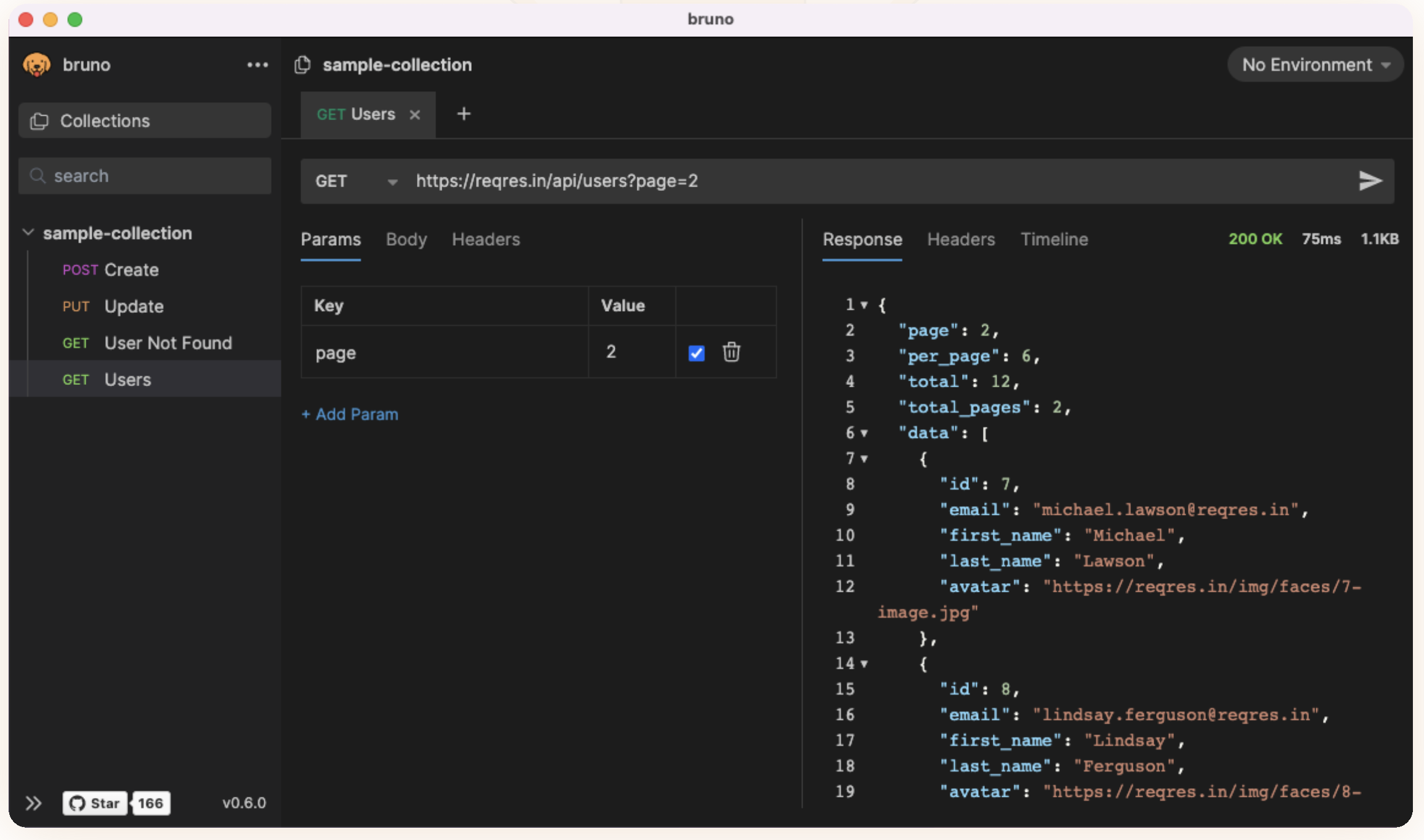
I am working on my engineering platform definition this morning and working my way through all the commercial services and open-source tooling that I use to operate API Evangelist and APIs.io. I am evaluating what I use each service or tool for and how I recommend it to my audience and customers for building their own platform. Based upon what I’ve learned over the years, I’ve settled in on a pretty opinionated definition of the capabilities and business model for tools that I consider to be part of my API platform, let alone what I will recommend and link to in my storytelling and consulting with enterprise customers.
When it comes to the cornerstones of my API operations, AWS, GitHub, Twitter, and Postman have long been the four pillars. Twitter is out, and I am doing the work to shore up that corner across Mastodon, Blue Sky, Threads, and I’d say LinkedIn. AWS and GitHub stay the same. But, when it comes to Postman, I have begun doing the work to swap it out by elevating Bruno into a dedicated place for API client, testing, and runners. My business and engineering platforms are all defined as OpenAPI and executable Postman Collections, so elevating Bruno makes a lot of sense from both price and functionality.
Bruno gets back to the roots of why we all fell in love with Postman, while reflecting what we need in 2025, by providing us with a dead simple API client, testing, and runner that is GitOps powered and that adheres to the following principles:
- Developer-First - Bruno is hyper-focused on what developers need on the ground.
- Local Application - Bruno runs locally on the desktop right alongside my IDE.
- Git-Ops Powered - Bruno leverages Git as the underlying file system for my collections.
I have been using Bruno side by side with Postman for the last month, and the only things I am still using my Postman for is when it comes to the network effect—-SEO via the network, and sharing workspaces with partners and the public. Everything else I am doing in Bruno now. It takes a bit to downsize your brain from all the other unused capabilities, icons, and buttons in Postman that you don’t ever use, but once you spend a week or two in Bruno, it all comes back to you regarding how the simplicity in API client really matters the most.
I will be keeping my Postman enterprise license because of the SEO benefits and ubiquity of my customers and audience using it, but Bruno has now been elevated as my API client, testing, and automation solution. I will need to reconfigure my thousands of APIs, their OpenAPI and associated collections to work with both Bruno and Postman, but I find it refreshing to get back to using such a simple, yet powerful API client that only has what I need. An added bonus is that Bruno is native Git, which dovetails nicely with my regular work streams across thousands of different repos across 20-30 different GitHub organizations. In Postman, GitHub was always an add-in and secondary to workspaces, which I get from a business model perspective, but my world runs 100% on GitHub.
My next post will be about how I view the business of APIs in 2025, which Bruno is a reflection of. I will be establishing a strategy of building my platform, and advising my audience and customers to build their platform using the best of breed cloud services, but then weaving in powerful and useful open-source building blocks to strengthen your platform foundation. Bruno reflects the type of tool that I will be building around. There will always be room for commercial services in the cloud, but they should always have a healthy business model, as well as HTTP APIs, Webhooks, and support for Git, so that they fit seamlessly into my engineering platform and business strategy.

