

I have spent a lot of time thinking about the Twitter community over the years. I built my identity as the API Evangelist on Twitter, agitated through the formative years around how Twitter was limiting our access, and repeatedly stated that the Twitter API was the most important API out there—until it wasn’t anymore. As I am getting my hands dirty playing with the Bluesky API and the underlying AT Protocol, I can’t help but revisit what made Twitter so important, and feel there is hope that we can rebuild what we had collectively found before, but do it better this time, with fewer mistakes, and in a more inclusive and safer way.
Power Users, Developers, and Users
Everything we know as Twitter was built using the API, and when you get to know Bluesky you see the same API base, but this time it is built on a much stronger foundation. Even with this technical foundation it takes people to build a thriving social network–a groundswell we are beginning to see with Bluesky’s recent growth. Twitter became the nervous system for the world through a symbiotic relationship between the power users, developers, and end-users all working in concert for a shared vision of what we wanted the world to be in any given moment, around any life event big or small. This post is meant to try and capture all of the ingredients and motion that went into Twitter, but revisited in the context of what Bluesky is building.
The Meaning of a Social Network
The phrase social network has been used and abused throughout this century, and while it has been extracted and mined of much of its original meaning, there is still a need and a belief out there that the Web can bring us friends, community, and networks together in ways that benefits, nurtures, and provides us with a safe and meaningful place to belong. Bluesky is stepping up as a replacement for what many of us collectively found in early Twitter, but also didn’t exist on Facebook, Instagram, and eventually Mastodon. There was an organic formula that made Twitter work early on, and while Bluesky isn’t and shouldn’t be just a replacement for this formula ingredient by ingredient, in the same amounts, it is important that we discuss this history and do the work to reclaim what a social network should mean.
The Essential Network Medium
Social networking rose up during a golden period of blogging and operated at an important intersection of storytelling using text, videos, and images, augmented with the ability to send private back channel messages. While images and video are essential, I would say that what makes the Bluesky, Mastodon, Threads, and Twitter formula special is the lead-in with text–providing a more literary approach to social networking. This is what instagram revolted against with its heavy emphasis on images and videos, but it is something that provides an important fabric or glue as the medium for social networking–something which speaks to a specific audience of journalists, writers, and other power users who helped build Twitter and have now migrated to Bluesky.
The Essential Network Graph
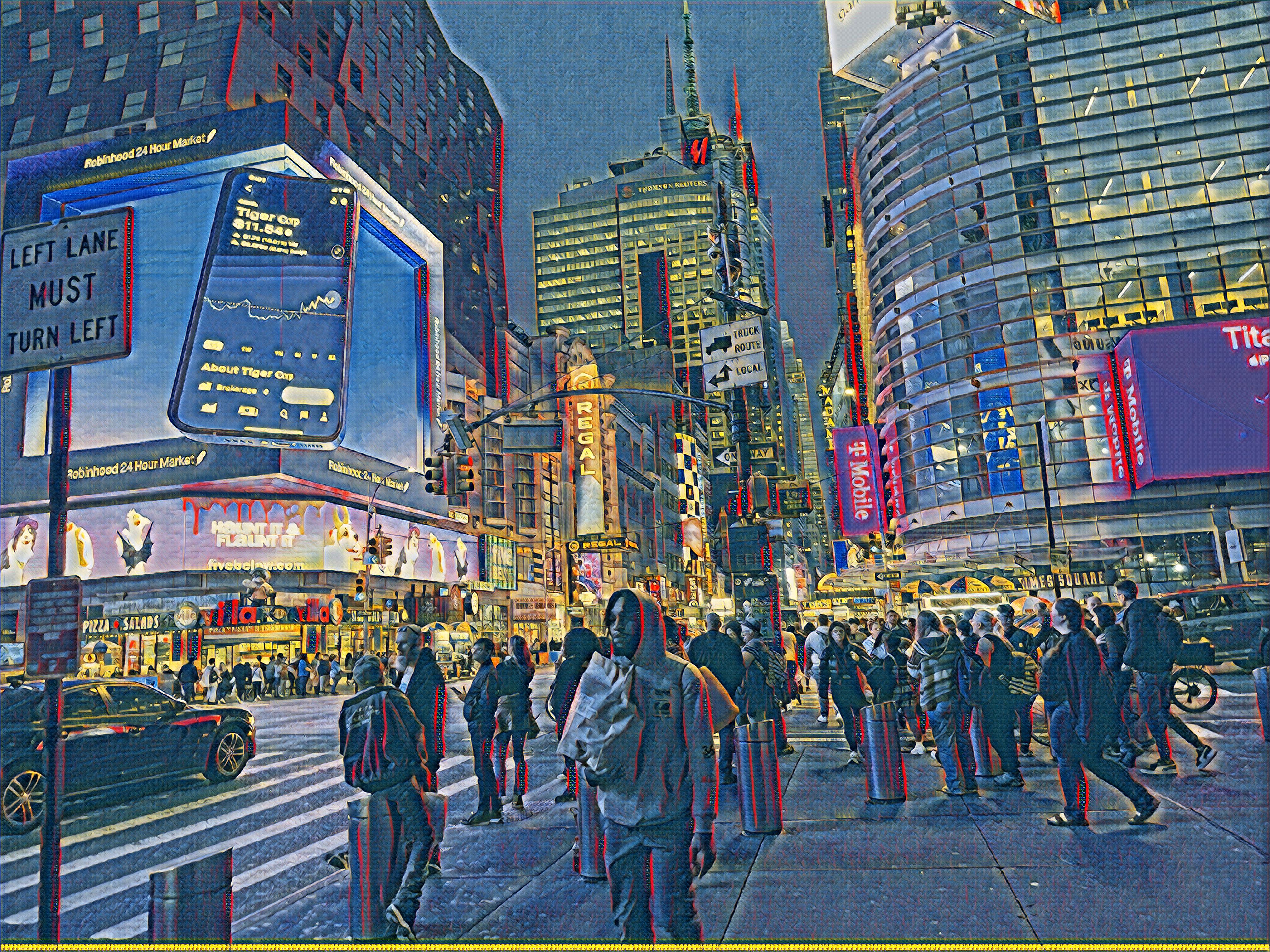
The life blood of any social network is the ability to follow and be followed, share, like, and connect with like minded individuals around topics and trends, allowing power users to provide meaningful recommendations of what other users can consume. Whether it is your community, network, or graph, it is up to you to build the space that matters to you, with the people and conversations happening that are relevant to your offline and online world. This essential graph is powered by people, information, but also the underlying protocols and APIs that are the foundation of Bluesky, which is something we didn’t have in 2006 when Twitter was getting off the ground. I feel the technical building blocks are in place for the next generation social graph, we just need to bring in the people part of it, and get to work scaling the information that is available via the Bluesky network.
What We Are All Doing
When you combine the essential medium with the essential graph of Bluesky, you need to expand and diversify that graph to reflect the actual world around us. As humans, we are interested in music, games, and podcasts, tune into movies, television and award shows. We want to share the latest fiction we are reading, poetry we are crafting, as well as what we are wearing and where we travel. Our social network reflects what we are doing and the people we want to surround ourselves with. Bluesky is just an echo of what we are doing or wish to be doing in our real worlds, providing us with a way to signal and learn within our networks, augmenting and emulating, but not replacing our real world. Bluesky reflects what we are doing, but also what our communities are doing, defining, shaping, and expanding our graph as we explore what interests us the most.
Who We Believe In Today
Bluesky already has become the shiny professional network where power users, celebrities, and pundits want to be. The power users and mavens are who help make Twitter what it was early on, and you can see already shaping what Bluesky will be. Actors, musicians, athletes, writers, journalists, artists, politicians, and the names, faces, and personalities that people follow and tune into will continue to lead and shape what Bluesky will become. As the big screen, television, cable, and other media wrestle with who they are in an online world, Bluesky is where they will engage with fans and make whatever they are doing into what their fans and followers are also doing. Who we believe in online and offline shapes who we are and what our social network looks like, leveraging the underlying protocol Bluesky operates on to expand, shift, and evolve our personal and community graph.
A True Space for Diversity
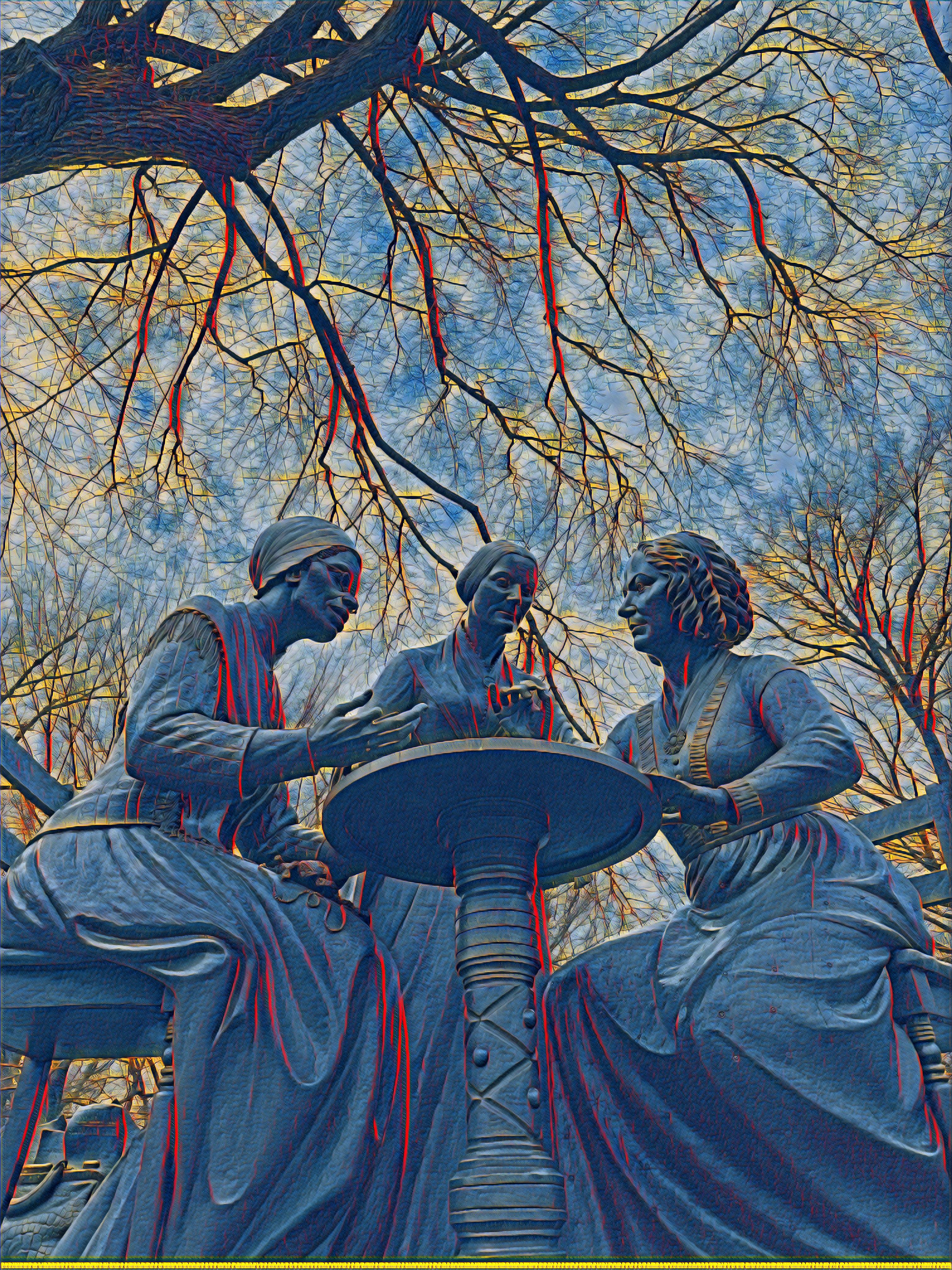
I am not afraid to say it, one of the reasons that Elon Musk came for Twitter was because it was one of the remaining safe spaces for diversity. Now, one can argue that Twitter hasn’t been that since Gamergate and likely even before, but the latino, black, indigenous, LGBTQIA+, youth, women, and other minority and marginalized communities had a strong presence on Twitter, and you see that migrating to Bluesky. This diversity and ensuring there is truly equity and inclusion is something you see already baked into the ATP protocol with moderation, blocking, and other essential capabilities baked in—something we didn’t have out of the gate with Twitter, and sadly something that didn’t evolve for quite some time in that community. Diversity is an essential ingredient in any community, network, or brand, and acknowledging that is part of the messaging, policies, but also baked into protocols is a critical thing for any social network.
Community in Hard Times
Part of Twitter that touched so many lives was the shared community in hard times during hurricanes, wildfires, earthquakes, and other disasters. Nature, climate change, and environmental disasters depend upon, but also shape our social networks. Real-time messaging and communication during hard times has shaped wider social media and networking, but pushed Twitter towards almost being an essential utility that connected us together during these times. This is something that Bluesky and Mastodon can both provide, but we have a lot of rebuilding of infrastructure and trust after Hurricane Elon Musk blew in and destroyed the network we’d all built together. Bluesky has the potential to fill the vacuum when it comes to critical health and human resource and service communication and information updates during disasters, helping strengthen our online and offline communities when they need it the most.
Relationship With Wider Media
Twitter and the mainstream media, but also local media contributed significantly to the growth of Twitter in the early days, and is already becoming a defining factor of Bluesky. The Bluesky network is already where journalists have headed to rebuild their social networks. These are the power users who will need more resources and capabilities from the Bluesky platform, and bots, feeds, applications, templates, and other embeddable and interoperable solutions powered by the Bluesky AT Protocol. The symbiosis between Bluesky and the mainstream media will be important, but its relationship with local and regional media will shape and define the future platform superpowers of Bluesky. It is essential that Bluesky informs the mainstream media and that the mainstream media references and informs Bluesky—-this is how the future of the social network will be built over time, story by story.
Relationship With Developer Communities
The catalyst for this post was me spending a couple days within the API portal for Bluesky, but also the community around the AT Protocol which powers Bluesky. While doing this I found myself having the same tingles I felt during the early days of Twitter. Making API calls to search for posts and users, and begin building my vocabulary for how I discover and identify trends got the juices flowing again. I have parallel working occurring with Mastodon, but honestly the community was less inviting to brainstorming ideas on this front–which breaks my heart. I was exploring the Call for Developer Projects, and got to work on my own set of Bruno collections that I will use to automate the API Evangelist Bluesky account. The foundation is there with having a strong relationship with the developer community, but as many of us know in the space, this isn’t always an easy relation to manage, and there is always lots of work on the table.
Teachers, Universities, and Research
When you are trying to develop an online social network that reflects our offline social networks, you want to have the academic universe on board. Students, teachers, researchers, and universities all jumped on board with Twitter in the early days, and were there in the harder days when we are trying to make sense of the impact it was all having in our world. The future of the Bluesky network will depend on an overlap and partnership with the academic universe, being the place where students and teachers connect and share information, but also where researchers can help make sense of what is happening in real-time from Covid to the state of democracy. Academic research via the Bluesky API must be baked into the protocol just like moderation, blocking, authentication, and other essential building blocks. Researchers should always be invited to the conversation when it comes to scaling and making sense of the platform, and be given preferred access to the API and firehose so that they can help understand the Bluesky community and help inform and guide its future alongside the business and technical stakeholders.
Contributing to Elections and Democracy
If your social network is going to be the town hall of the digital world, you have to have a marketing and technology plan for addressing campaigns, voting, and elections. Politics have utterly shaped Twitter and led to its fall from grace. Alongside moderation, blocking, security, and other essentials, the lead up to elections and other common events that are common in democracies must be baked into the policies and protocols governing the Bluesky platform and community. Celebrities and brands drive a need for more controls and verification, but the hustle and bustle around local, regional, and national elections will continue to shape every social network, but has the potential to adapt and evolve in new ways via Bluesky–leveraging the federated protocols and API-driven approach to safely and securely keeping voters informed.

Social Network as a Business Driver
Social networks are for people, but companies and brands are an important aspect of the tone, direction, and long-term sustainability of a social network. Having strong business partnerships for Bluesky will shape the future of the platform and network. Enabling and empowering commerce through the marketing and advertising of products and brands is part of what strengthens and builds the network. A solid business foundation is one advantage Bluseky will have over Mastodon in this game, and being the place that brands want to be when it comes to reaching their customers, brings in much needed revenue, attention, and resources to the community. I will leave the business model road map to the Bluesky leadership, but I will acknowledge the importance of policies around advertising, commerce, partnerships, and other ways businesses leverage the platform will be very important to the future vision of Bluesky.
Social Network Shaping Markets
Beyond selling individual products and showcasing specific brands, the Bluesky network has the potential to begin shaping markets, providing financial insights, and speaking to various types of investors. This macro view of how Bluesky can drive business, speak to the mood of the market, and state of the economy takes cultivation, insights, and partnership with platforms and developers who are interested in putting their finger on the pulse of consumer sentiment. Cultivating the future of investment in global markets by providing raw data, refined insights, and trends will help build and mature the reputation of Bluesky. This will all require the investment by the platform, partners, and community towards the adoption of the AT Protocol for communication, notifications, and automation around how markets are working or not working via the Bluesky network.
Social Network Platform for Government
Governments at all levels had embraced Twitter as a messaging channel contributing to the reach, utility, and credibility of the platform for a time. That trust government place on Twitter has been broken, and the future of the Bluesky network would require rebuilding that trust at all levels of government. The AT Protocol foundation, and the right approach to business transparency and communication would provide a vehicle to rebuild this trust and harness existing momentum in government utilizing social media. Usage of the Bluesky Platform by government agencies needs to be baked into the Bluesky platform and protocol alongside media, moderation, and other ways Bluesky has learned from our collective social media past. Government must be a partner in the future of Bluesky, whether it will be storytelling or regulation will depend on the technology, business, policies, and people behind the Bluesky community.
Regulating Offline and Online Networks
The regulation of the tech sector and social media has been front and center for a number of years now with high profile congressional interviews, news stories, and court cases. Regulation of social media, as well as policing, surveillance, propaganda, and misinformation will all be part of the future of the Bluesky network. Regulation doesn’t have to always come from the government and can come from industries, as well as within the platform, leveraging the community to find the right approach and velocity desired to move society forward. Regulation and governance of the Bluesky community will occur, and having a proactive technical, business, and an ever evolving set of policies and rules for collectively governing out in the community when possible will help shape the regulation of the platform and community as much as any regulation mandated and handed down by government entities.
Bluesky as a Global Social Network
The future of the Bluesky community is a global one. The World Wide Web has connected the world, but it has also enabled us to see hyperlocally in new ways. Bluesky must be global, operating at the edge, across sovereignties, while also being very localized. It is clear that the AT Protocol was designed for this future, but there will be a lot of the messy but necessary human moderation, filtering, scaling, and automating of the platform, network, and community. The federated approach of Bluesky coupled with a sensible and strong business and policy approach to operating around the globe and empowering users to help set the local tone will be how the communities grow while remaining safe and informative spaces. A social network at global scale with all the diversity and discussion that it brings must be baked into the protocol and business strategy for the platform, but is something that will bring a lot of small and big problems that will need to also be addressed.
Striking a Balance With the Hard Conversations
With any community, there will be hard conversations. Moderation is not just built into the AT Protocol, it is realized in a modular and layered way that can be used to help moderate the hard conversations in different ways. Terrorism, extremism, hate speech, free speech, child exploitation, misinformation, antisemitism, diversity, equity, including conflict, war, and protests are all conversations that will shape the future of the Bluesky network. There aren’t easy answers to moderating and automating these conversations away, and the community must be engaged to find solutions to these difficult topics. The platform and the protocol is designed from the ground up to address these hard conversations, but it will take work to engage with power users and leaders across many different groups to perpetually negotiate the right balance to moderation, storytelling, and when necessary, censorship and deplatforming.

Social Network for the Human Condition
Any social network is a reflection of culture and the things that make us human and intelligent. From religion and faith to our physical and mental health, the realities of being a human will need to be front and center for the future of the Bluesky community. Acknowledging and coming out of the gates with plans for addressing covid, vaccines, suicide prevention, addiction, and other aspects of being human is better than relying solely on content moderation to address. Partnerships with church leaders, hospital administrators, health departments, and other experts to understand what helps and what can negatively impact the Bluesky community will be a significant place to invest. You just can’t have a social network that isn’t human centered, and when you focus on humans you are always going to have a range of challenges and issues that won’t always be addressed through moderation and will need wider communication strategies to deal with.
Ensuring Bluesky is a Safe Community
Running any public platform at scale brings a host of challenges when it comes to ensuring not just the safety of the community, but setting the right tone, and creating the right vibes that will keep a community thriving and growing. Privacy, trust, transparency, moderation, two-factor authentication, consent, configuration, and verification approaches have all evolved over the years, and will be essential to maintaining the current positive tone of the Bluesky community as it grows. It is clear that this has been considered as part of the design and protocols for the platform, but like other aspects of the platform, network, and community, it will require continued understanding, refinement, and evolution to remain effective. The Bluesky brand and vibe right now is at a high, and is something that will take considerable investment to maintain over time as the community grows around the globe.
A Transparent Community Policy Engine
The policies and rules of the Bluesky platform must be well defined and transparent early on to begin rebuilding trust with users (actors) who have recently migrated from Twitter. The policies governing moderation, algorithms, bots, and many other aspects of the platform should be well-defined, made publicly available for engagement and commenting, and coherently evolve over time to meet the needs of the platform and community. The policies and rules for the Bluesky platform provide a rich storytelling opportunity that can be woven into existing marketing and advocacy efforts, including the power users, partners, and other stakeholders of the Bluesky platform. Marketing, communications, policies, rules, and governance of the Bluesky platform gets all rolled up into a certain style of storytelling and engagement with the Bluesky community to make sure everyone feels safe and feel like they have a voice in the governance of the Bluesky community.
Community Applications and Automation
The Bluesky web and mobile application is the front door for the Bluesky community, and the Bluesky developer portal is the side door for the Bluesky developer community. Bots, feeds, and applications are how the Bluesky community seamlessly weaves Bluesky into their existing lives via desktop, web, mobile, AI applications and other platforms they already use. Power users, developers, and average personal or business users of the platform control and define the settings for their world, apply buttons, badges, widgets, and other embeddable across their existing websites and platforms. Notifications, visualizations, and dashboards will help make the Bluesky platform more observable, leveraging the API to empower the community to develop, build, integrate, and use Bluesky in the best way they see fit. Bluesky combined with the AT Protocol provides a solid foundation that never existed for the Twitter community, and will shape the future success of the Bluesky community.
The Bluesky API Can Be the Most Important API
We aren’t there yet, but with everything listed above in motion, the Bluesky API can be the most important API out there. It can be the heart beat of the community, but also the media, markets, government, and all the dimensions that already define the Bluesky community. The AT Protocol, and the Bluesky developer community provide a fresh start for rebuilding everything that worked about the Twitter community, learning from our past, while also leaving what did not work behind. The API is how Bluesky becomes a seamless part of the media landscape, and is part of each application a user (actor) spends their time through sharing, integration, and interoperability. The Bluesky firehose Websocket API and HTTP API, combined with a well defined and governed bot, application, feed, button, widget, and AI implementations will help carry the load and expand the Bluesky community beyond just the platform and applications.
Learning From Our Past To Build Out The Future
All of the sections outlined above were aggregated from a decade of heavy use and study and storytelling around the Twitter community and developer platform, but I also navigated back through all of the blog posts on the Twitter blog this weekend. If a topic like an election or the Oscars rose up as a blog post on the Twitter blog, you know it was top of mind for communicating to the community. You can only get back to about 2015 navigating the UI for the Twitter blog, but if you visit Archive.org and visit the right years, the pagination still works and you can get all the way back to the beginning. There are a lot of lessons in these tea leaves about what to do and what not to do. After spending the weekend looking through these blog posts I am reminded of just how much Twitter was the back channel for everything that was going on in our world from sporting events to television, and every shared cultural moment in between. This is the type of storytelling that matters and something that if done right will echo always echo the diverse Bluesky community.
Bluesky has the technical foundation to support this vision of the future. The Bluesky community has seen a meaningful groundswell of users, but also storytelling to move things at scale towards this future. The trick now will be 1) learning from the past, 2) tapping into the Zeitgeist of the community, and 3) delivering on all of these areas at scale with the right blend of technological, but also human-centered storytelling that leverages the power users and developers in all of the right ways. This is more art than science, but something that I look forward to being part of because it honestly feels like a real second chance to reclaim and rebuild what was taken from all of us. I feel like the Bluesky leadership has the right technical and business vision, they just need to land the right community vision for all of this to come together.

