

Governance of APIs
How organizations actually direct, control, and guide the design, delivery, and consumption of APIs at scale.
What It Is
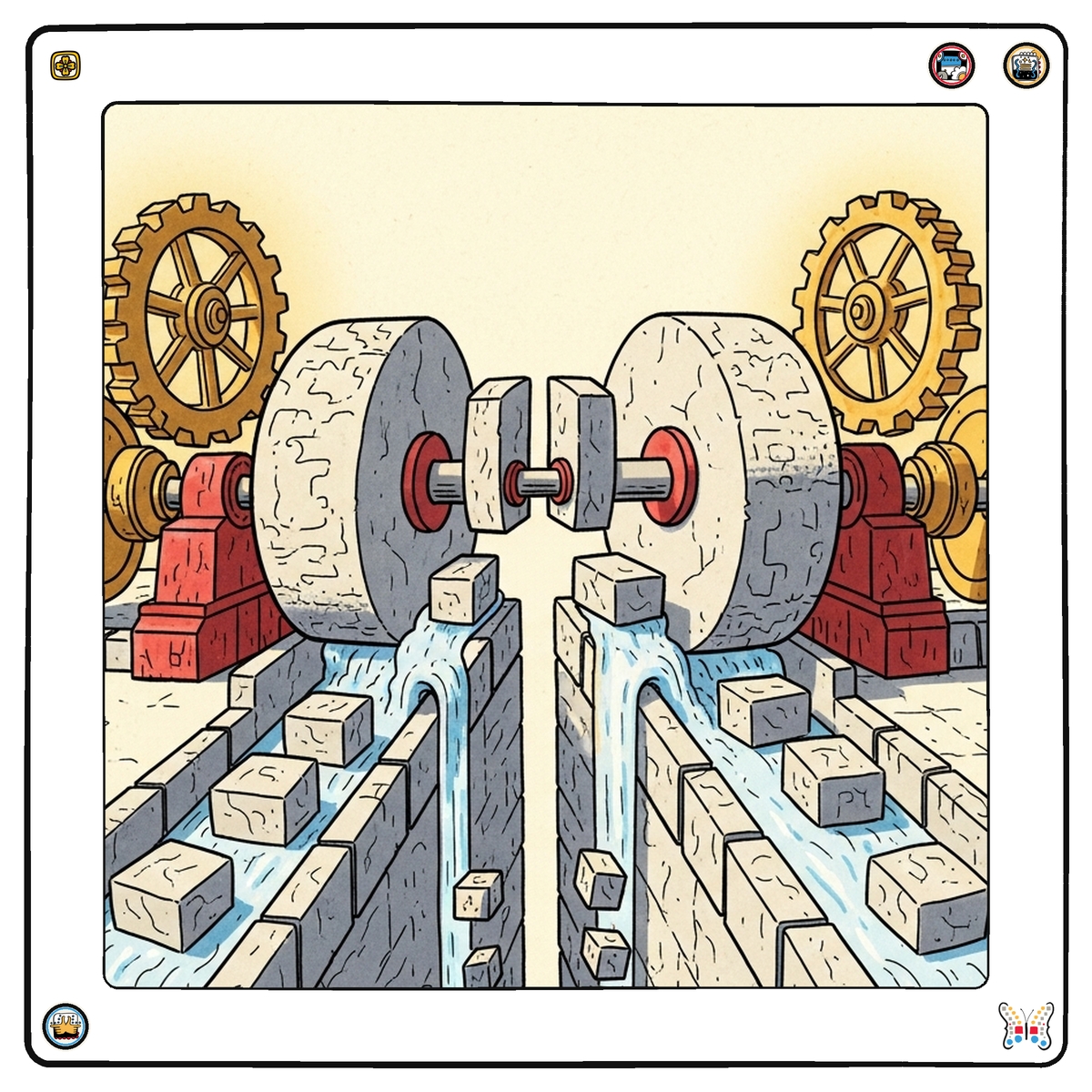
Engines
The runtime tooling that evaluates rules against API definitions.

People
The humans whose behavior and collaboration API governance is really about.

Capital-G Governance
Formal top-down governance programs with mandated rules and enforcement.

Lowercase-g Governance
Lightweight practical guidance that teams actually follow.

Ontological
Governance grounded in shared definitions of what things are.

Epistemological
Governance grounded in how we know and validate what is true about APIs.
Core Tensions

Velocity
The speed at which teams can ship APIs without accumulating quality debt.

Quality
The measurable correctness, consistency, and completeness of API definitions.

Cost
The financial and operational cost of API sprawl, inconsistency, and rework.
Program & Culture

Guardrails
Rules and checks that prevent harmful patterns without blocking progress.

Literacy
The baseline HTTP and API design knowledge governance programs depend on.

Feedback Loops
Structured channels for teams to report problems and influence governance policy.

Awareness
Making teams aware of policies, standards, and the state of their APIs.

Policies
The human and business rationale behind every governance rule.

Provenance
The history and origin story behind why a rule or pattern exists.

Platforms
The platform layer that carries the governance load so teams don't have to.

Self-Service
Making governance tooling available on-demand without bottlenecks.
Tooling
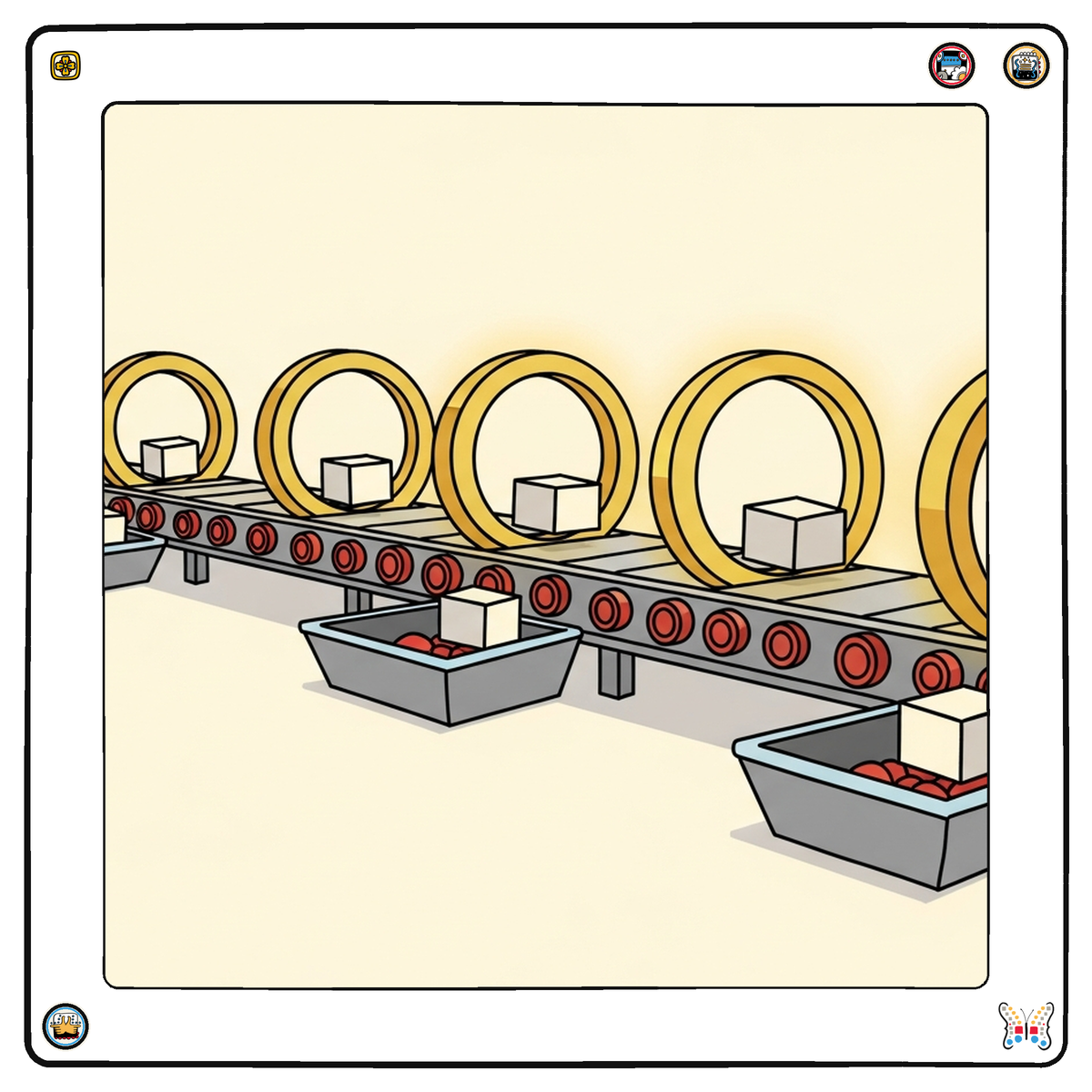
Rules
Machine-executable checks applied to API definitions at any lifecycle stage.

Style Guide
Documented API design conventions that inform and generate governance rules.

Editors
Text and visual editors with inline governance feedback.

IDE
Inline governance feedback delivered where developers already work.

CLI
Command-line tooling for running governance checks in developer workflows.
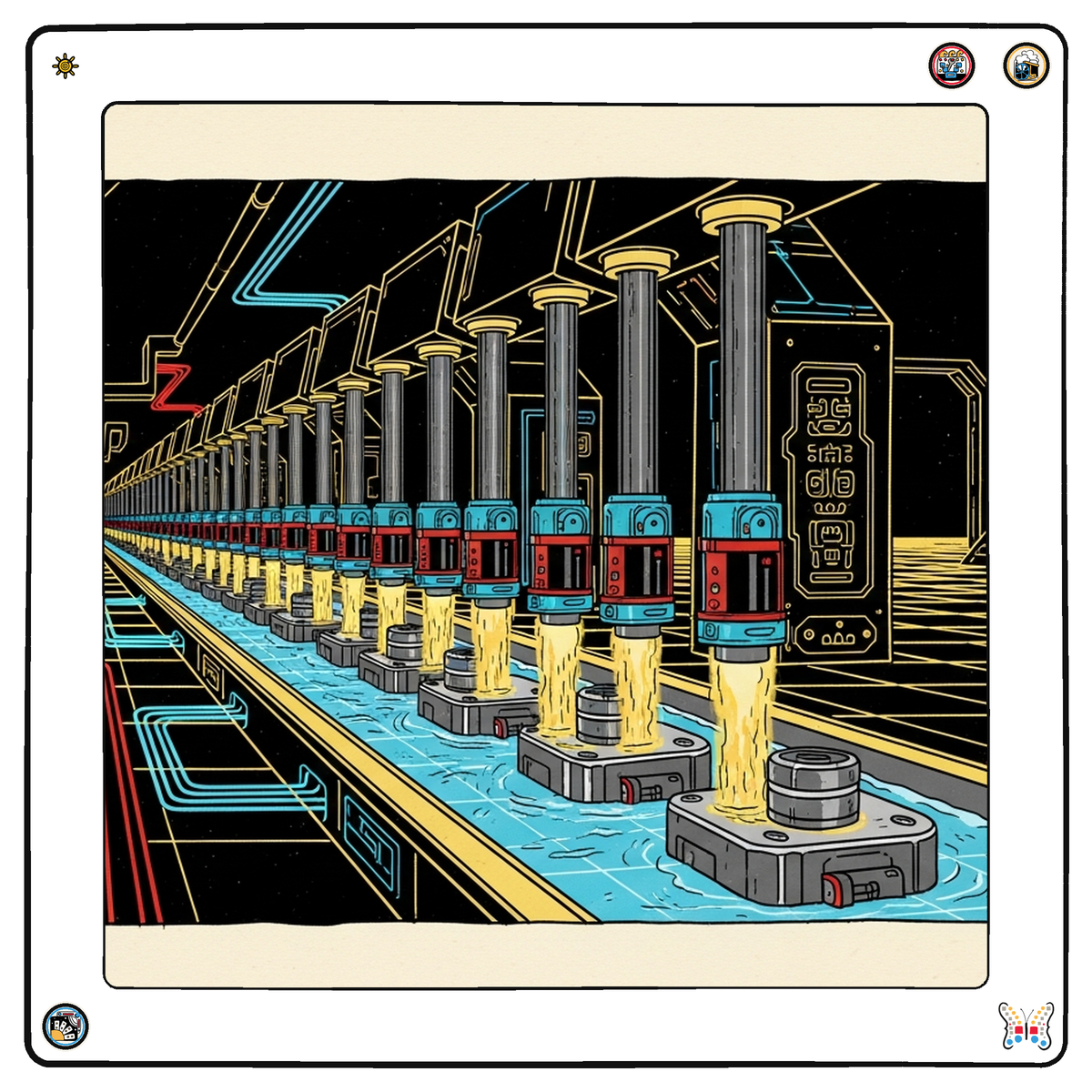
CI/CD
Continuous integration and delivery pipelines as governance enforcement points.
Protocols & Specifications

OpenAPI
The primary surface on which API governance rules operate.

AsyncAPI
The specification surface for governing event-driven API definitions.

JSON Schema
The vocabulary used to define and validate API data shapes across governance rules.

REST
Representational state transfer as the dominant HTTP API architectural style.

Async
Governing asynchronous and event-driven API patterns alongside REST.

GraphQL
Governing GraphQL schemas and operations alongside REST governance.

gRPC
Google Remote Procedure Call as an alternative high-performance API protocol.
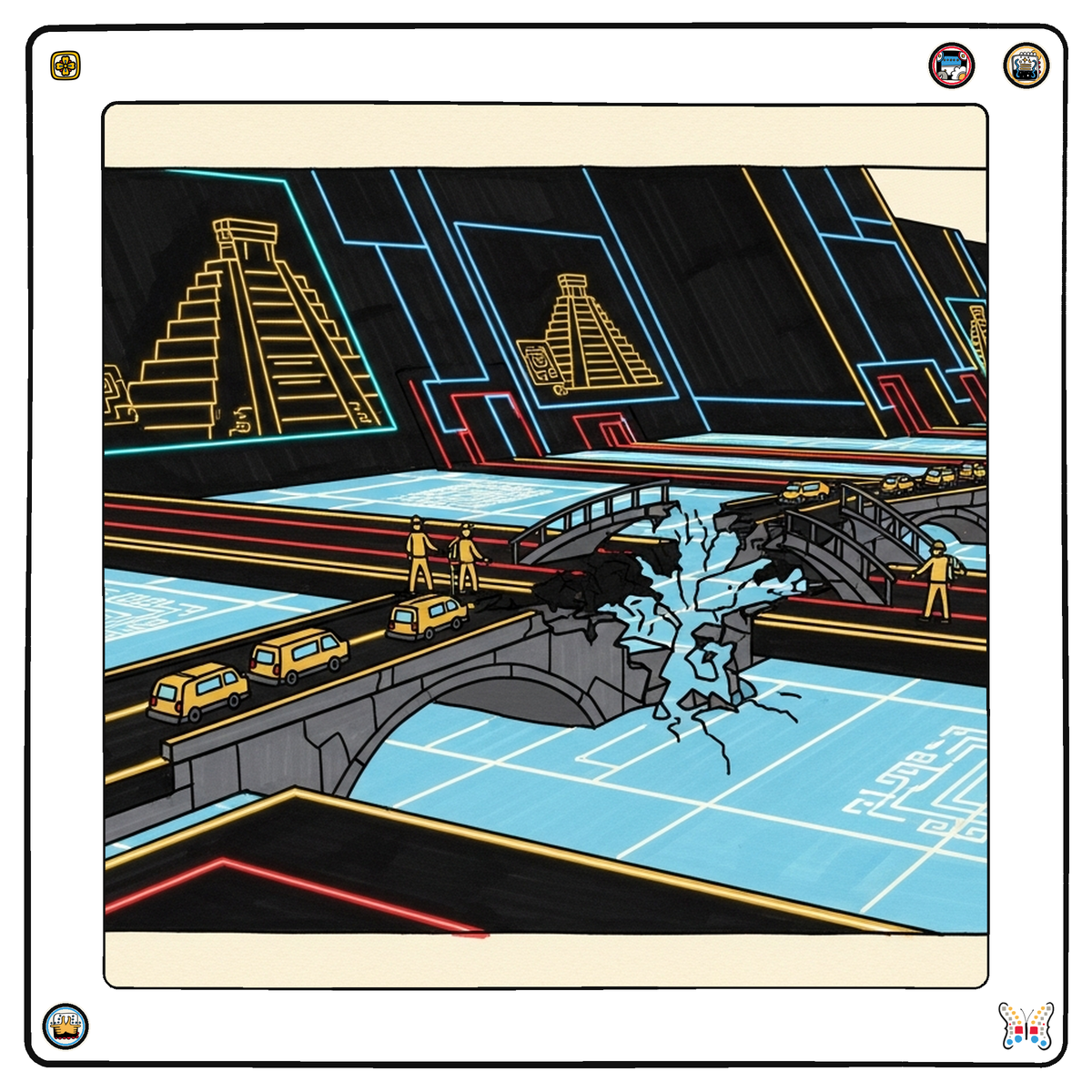
Changes
Managing and governing breaking and non-breaking API changes over time.
Operations & Scale

Lifecycle
The end-to-end stages through which an API is designed, built, and retired.

Landscape
The full map of APIs, teams, and operations that governance must cover.
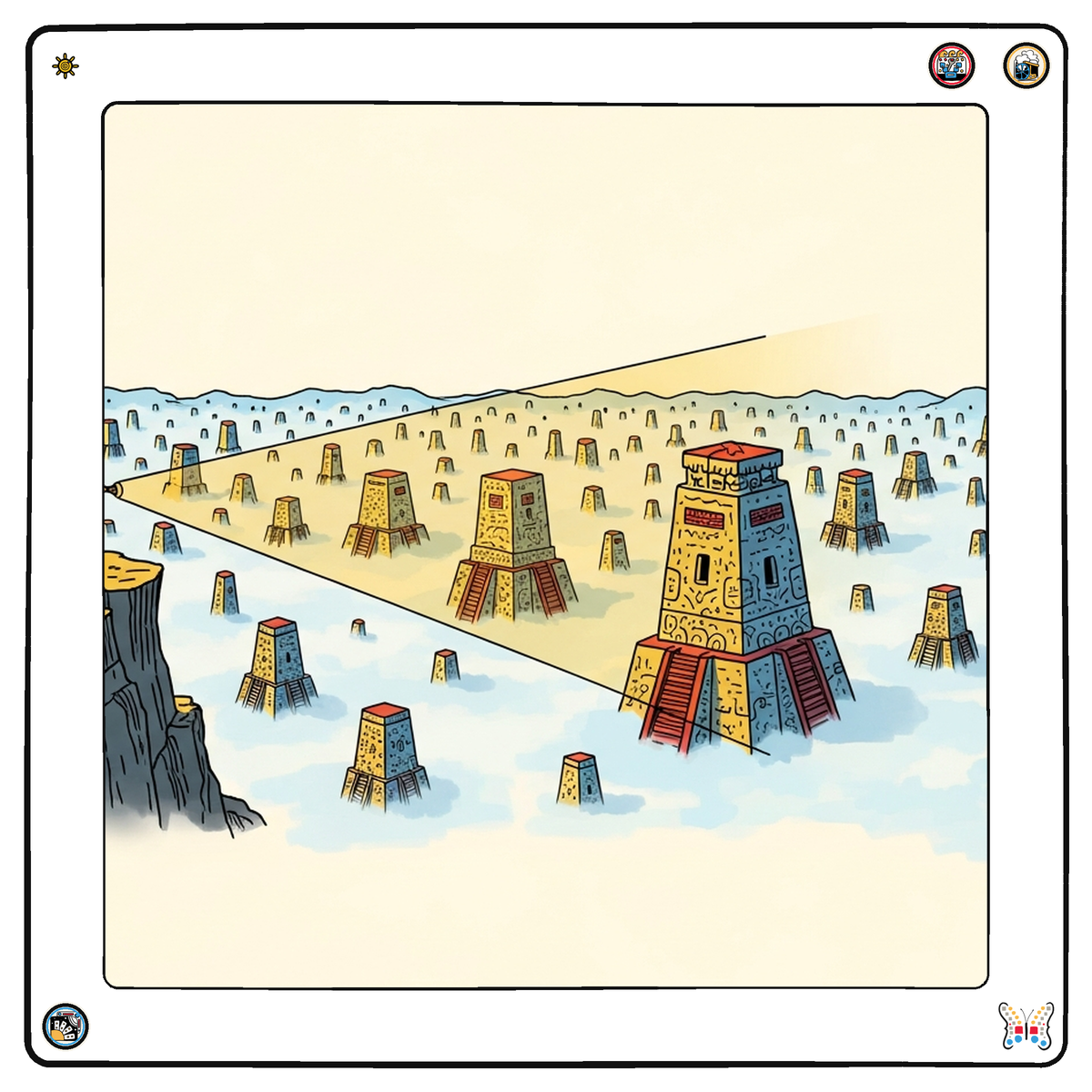
Discovery
You have to know where all your APIs are before you can govern them.

Observability
Logs, metrics, and traces that reveal API runtime behavior.

Production
Governing APIs that are live and serving real traffic.

Consumption
Governing how APIs are consumed and what patterns consumers should follow.