
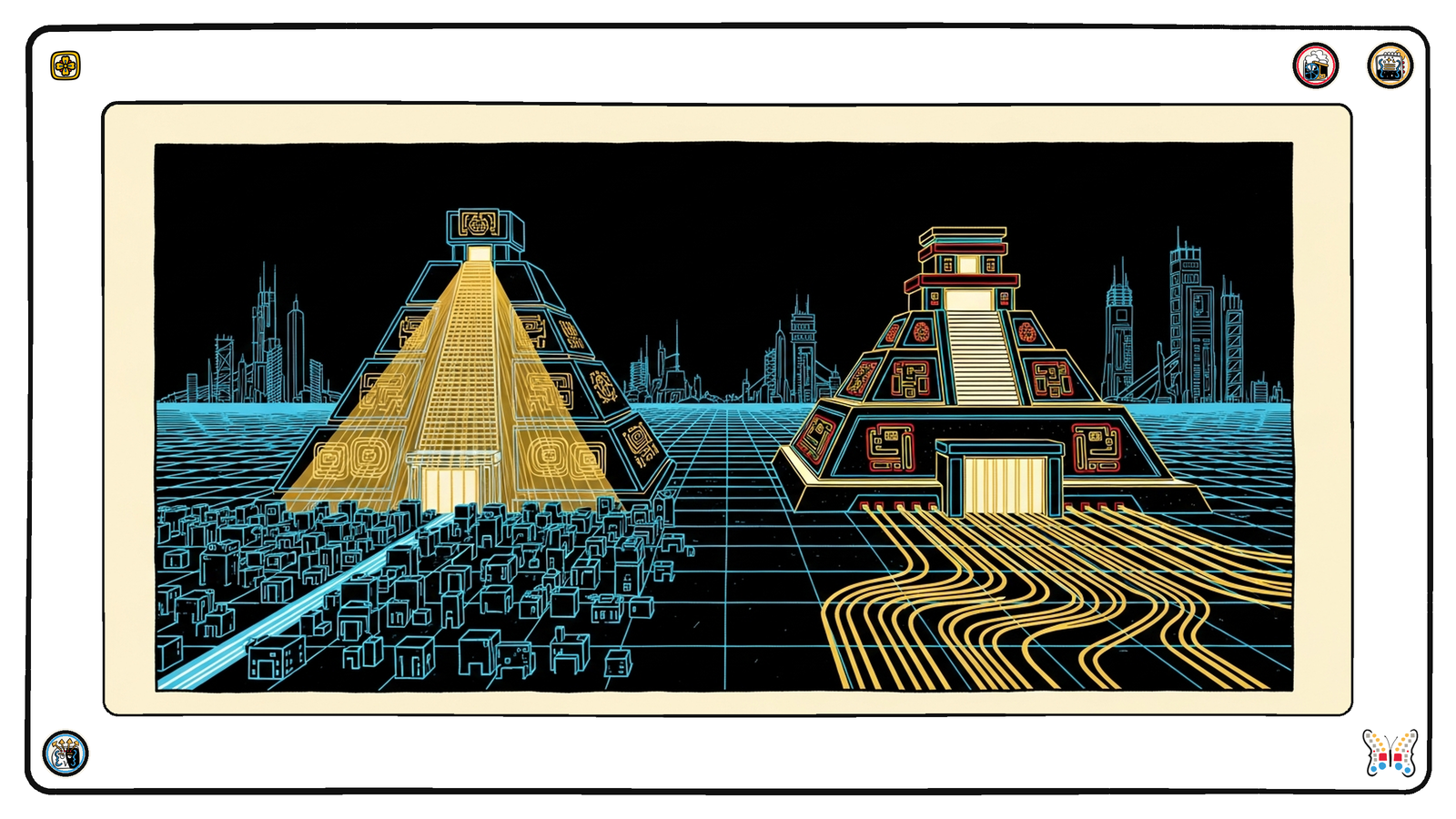
I am stepping back and doubling down on the two core competencies of my work as the API Evangelist. I learned a lot about discovery and governance over the last six years–honestly a good bit longer than that–but it was running up against the full noise of this AI moment that finally made it clear I need to double down on the areas where I am an expert, and the areas that are foundational to desktop, web, mobile, and AI applications alike. For me, nothing has actually changed in five years. The moment did.
API discovery and governance were a top priority for companies before the AI moment we are stuck in, and they are a hundred times more of a priority now, despite everyone being completely distracted by agents. You need to know where your APIs are, and they need to be standardized, before you can effectively build and iterate on desktop, web, and mobile applications–and the exact same thing is true for artificial intelligence, even as priorities and leadership attention run at 100% on AI. The distraction does not change the requirement. It just makes the requirement easier to neglect.
Despite discovery and governance not being a hot area to invest in or talk about, they are critical to all of this working. This is what the people responsible for keeping systems operational actually need, even when their leadership does not prioritize it, does not understand its nuance, and is too often willfully ignorant of it. APIs power all of this. When the dust settles from this moment, APIs are where we will standardize and regulate. APIs are the inputs and outputs for the dark arts of LLMs. APIs are where you will monetize and where you will capture value. Everyone chasing the model is chasing the layer that only reaches the real world through the layer I have spent my career on.
I do not believe there is a single tool that will solve both API discovery and governance for companies, organizations, institutions, and government agencies. Enterprises are just too different. They carry very different legacies and they are subject to very different market forces. There is no one product that reconciles all of that, and I have stopped pretending otherwise. That is not a gap in the market waiting for a hero tool–it is the actual shape of the problem, and pretending a single SKU fixes it is how you end up selling something that does not fit anyone.
I have about 25 to 30 years left in my career, and I do not see that I need to ship any single commercial service or open-source tool to deliver in these areas. What I see instead is that by staying 100% focused on discovery and governance I can have the biggest impact possible, keep making a decent living, and–maybe most importantly–keep my soul in a sector that increasingly seems to care less and less about doing anything right or well. That is the whole plan. Stay on the unglamorous, load-bearing work, refuse to be pulled off it by whatever the room is excited about this year, and be the person still standing on it when the room needs it back.

