
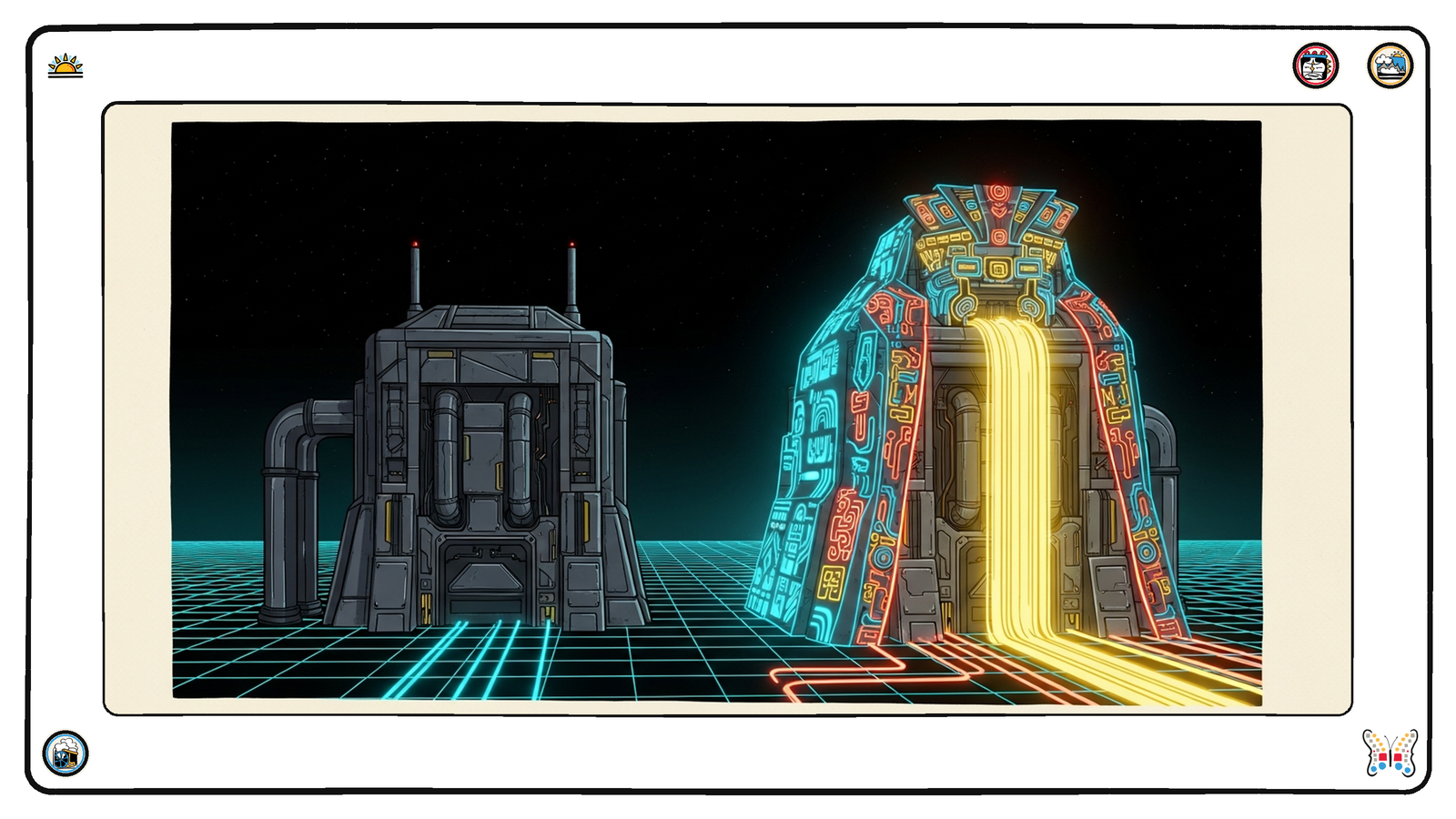
I said this out loud in a recent conversation with Nordic APIs and I keep coming back to it, because it is the most honest description of how enterprise budgets actually move in 2026: the best way to get your API project approved right now is to disguise it as an AI project. The work you could not get funded eighteen months ago–cleaning up your API design, documenting your operations, standing up a proper catalog, retiring the six half-broken integrations nobody wants to own–sails through the moment you staple the word “agent” to the top of the deck. Nobody is buying APIs. Everybody is buying AI. So the money follows the label, not the work.
I have watched this movie enough times to recognize the reel. It is the same trick we ran with “cloud,” with “big data,” with “microservices,” and with “digital transformation” before that. The underlying work was always the same unglamorous plumbing–move the data, define the contract, secure the endpoint, document the thing so the next human can use it–but the plumbing only gets funded when it is wearing the season’s costume. I am not even mad about it. If dressing your API program up as an AI initiative is what gets your organization to finally invest in the foundational work it has skipped for a decade, then by all means, dress it up. Take the money. Do the real work with it.
But be very clear-eyed with yourself about what happens next, because the costume is also a liability. When you fund foundational infrastructure under an AI line item, you have tied the survival of that infrastructure to the survival of the AI narrative inside your company. And narratives inside companies do not die quietly–they die at budget time. The day the AI enthusiasm cools, or the day the bill comes in three times higher than the pilot suggested, someone in finance is going to run their finger down the ledger looking for things to cut. Every line that says “AI” is going to get a second, harder look. And your API catalog, your governance pipeline, your data contracts–the boring, load-bearing work that the whole business quietly depends on–is sitting right there under the heading that just became a target.
That is the trap. The exact framing that gets the work approved is the framing that gets it killed when the wind changes. I have seen genuinely good infrastructure torn out or left to rot not because it stopped delivering value, but because it was categorized alongside something that fell out of fashion. The plumbing was fine. The label on the invoice is what sank it.
So if you are going to play this game–and most of you are, because it is the game that is being played around you–then play it deliberately. Take the AI money, but build the thing so it can stand on its own two feet once the label peels off. Make the value legible in terms that survive a hype cycle: this API cut integration time from weeks to days, this catalog eliminated four redundant contracts, this governance gate caught three breaking changes before they hit production. Tie the work to outcomes the business will still care about in 2028, when “agentic” sounds as dated as “web 2.0” does now. The goal is to smuggle durable infrastructure in under a temporary banner, not to build temporary infrastructure that happens to be real.
Because here is the part the hype never tells you: the agents everyone is funding are useless without exactly the work you are now getting paid to do. An agent cannot navigate an API you never designed, cannot consume documentation you never wrote, cannot trust data you never governed. The AI does not replace the API work–it raises the stakes on it and, for one strange budget cycle, it pays for it. Take the money. Do the real work. And build it to outlast the story you had to tell to get it funded.

